

Nextgen Diesel Inc.
In-Frame vs. Full Diesel Engine Rebuild: What Determines How Far the Repair Needs to Go?
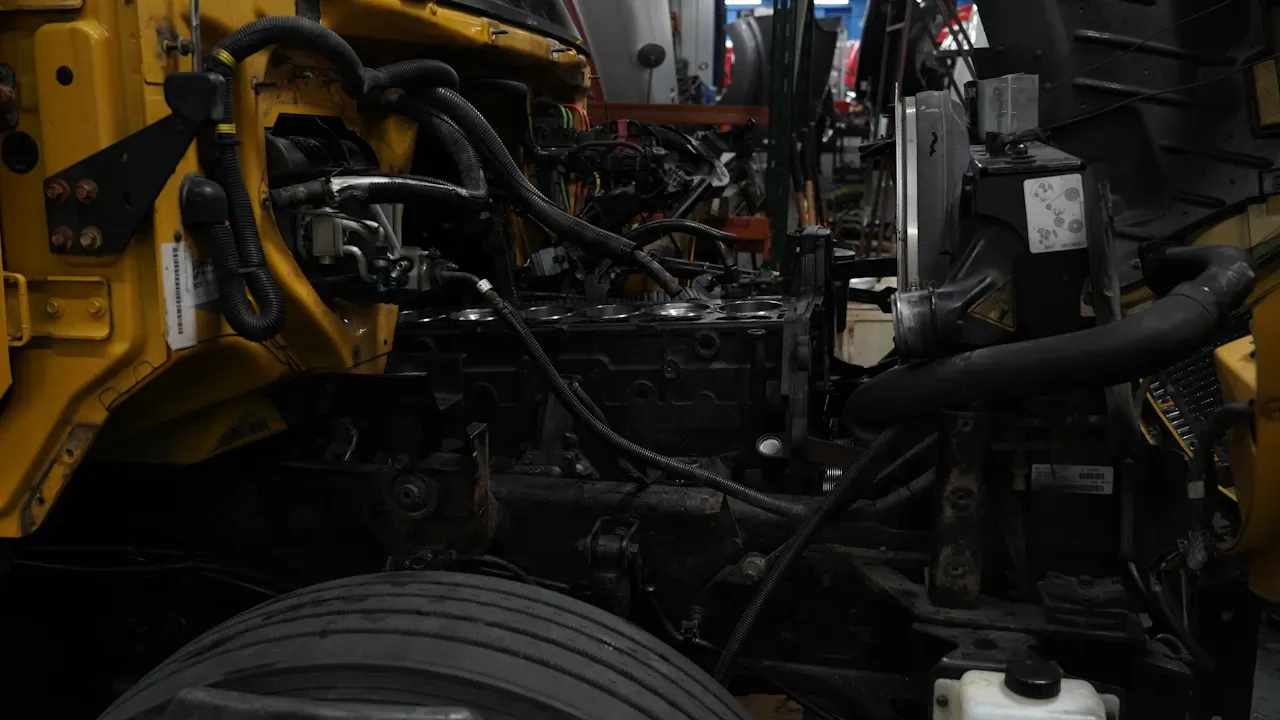
A diesel engine can lose compression, consume oil, or develop blow-by long before the entire assembly is beyond repair. The difficult part is deciding how much of the engine needs attention. The right diesel engine rebuild depends on where the wear exists, what caused it, and what technicians find during inspection.
For truck owners around Denver, NC, professional diesel engine rebuild service starts with determining whether the engine can remain in the chassis or needs to come out for more extensive work.
What Is an In-Frame Diesel Rebuild?
An in-frame diesel rebuild allows technicians to repair major internal engine components while the engine remains installed in the truck. This approach can make sense when wear is concentrated in areas that technicians can access without removing the complete engine assembly.
The exact work varies by engine design and condition. Depending on the engine, an in-frame service may involve cylinder liners, pistons, piston rings, bearings, cylinder head work, gaskets, seals, and related components.
Technicians still need to inspect the engine carefully before deciding that an in-frame repair is appropriate. Significant damage to the block, crankshaft, or other components may change the repair plan.
What Is a Full Diesel Engine Rebuild?
A full diesel engine rebuild, sometimes called an out-of-frame rebuild, requires removing the engine from the chassis. That extra step gives technicians much greater access to the engine block and rotating assembly.
With the engine removed, the shop can disassemble it more completely and inspect areas that are difficult or impractical to evaluate in-frame. Depending on findings, the work may include:
- Complete engine disassembly
- Detailed block inspection
- Crankshaft inspection and measurement
- Cylinder and liner inspection
- Piston and ring replacement
- Main and connecting rod bearing service
- Cylinder head inspection or rebuilding
- Camshaft and valvetrain inspection
- Gasket and seal replacement
- Cleaning, measuring, or machining components as required
A full rebuild is more extensive, but extent alone does not make it the correct repair. The engine's actual condition should determine the scope.
What Determines Whether an Engine Needs an In-Frame or Full Rebuild?
Technicians consider several factors before recommending how far a repair should go. Mileage matters, but mileage alone does not provide enough information.
Cylinder Wear and Compression Loss
Worn cylinders, liners, piston rings, or pistons can reduce sealing inside the combustion chamber. The engine may develop low compression, excessive crankcase pressure, oil consumption, hard starting, or poor performance.
If testing shows the wear is limited to serviceable upper and lower engine components, an in-frame overhaul may be possible. More extensive cylinder or block damage can push the repair toward an out-of-frame rebuild.
Crankshaft and Bearing Condition
The crankshaft and bearings operate under heavy loads and depend on a steady supply of pressurized engine oil. Loss of lubrication can quickly turn ordinary wear into serious internal damage.
Bearing material in the oil, abnormal oil pressure, knocking, or crankshaft damage may require deeper inspection. If the crankshaft needs extensive measurement, machining, or replacement, removing the engine often becomes necessary.
Engine Block Damage
The condition of the block can set a clear limit on what an in-frame repair can accomplish. Cracking, damaged cylinder areas, distorted surfaces, or other structural concerns may require procedures that cannot reasonably be completed with the engine installed.
A diesel engine inspection helps establish whether the block remains suitable for an in-frame repair or requires complete disassembly and machine-shop evaluation.
Failure History
The reason the engine needs repair matters as much as its current symptoms. Gradual wear creates a different situation than severe overheating, oil-pressure loss, coolant contamination, or an internal component failure.
A truck with known engine rebuild warning signs deserves thorough testing before parts are ordered. Drivers noticing persistent blow-by, oil consumption, compression problems, or declining performance can review these additional in-frame rebuild signals.
How Does Engine Mileage Affect the Repair Decision?
High mileage provides useful context, but it does not automatically mean an engine needs a complete rebuild. Service history, idle time, duty cycle, maintenance quality, operating temperatures, and load all affect engine wear.
Some properly maintained commercial trucks accumulate extremely high mileage while remaining productive, which is one reason million-mile truck longevity receives so much attention in fleet operations.
Technicians should look at measured wear instead of using the odometer as the only deciding factor. Two engines with similar mileage can have very different internal conditions.
What Tests Help Determine Rebuild Scope?
The best rebuild decisions come from evidence gathered before and during disassembly. Diagnostics can identify symptoms, while mechanical measurements show how far the wear has progressed.
Common checks may include:
- Compression testing
- Cylinder leak-down testing when applicable
- Crankcase pressure or blow-by evaluation
- Engine oil pressure testing
- Oil and coolant inspection
- Cooling-system checks
- Electronic fault-code review
- Engine performance diagnostics
- Cylinder head inspection
- Bearing and crankshaft measurements after disassembly
- Inspection for metal or contamination in engine oil
No single test tells the entire story. Technicians combine operating symptoms, diagnostic data, maintenance history, and physical measurements to establish the repair scope.
Can an In-Frame Rebuild Save Time and Cost?
An in-frame rebuild generally requires less disassembly because the engine stays in the chassis. Avoiding complete engine removal can reduce labor and shorten the overall repair process when the engine is a suitable candidate.
The important qualification is engine condition. Choosing an in-frame repair simply because it appears less expensive can backfire if critical damage remains unaddressed.
Repair scope should match the failure. If the block, crankshaft, or other major components require extensive work, a full engine overhaul may provide access that an in-frame procedure cannot.
When Does a Full Rebuild Make More Sense?
A full rebuild becomes more relevant when technicians need to inspect, measure, repair, or machine components throughout the engine.
Conditions that may lead to an out-of-frame repair include:
- Significant crankshaft damage
- Severe lubrication-related failure
- Suspected block damage
- Extensive overheating damage
- Multiple areas of internal wear
- Metal contamination throughout the lubrication system
- Previous repairs that did not correct the underlying problem
- Damage requiring extensive machining or complete disassembly
Truck ownership plans can also affect the broader repair decision. Operators sometimes compare rebuilding an existing engine with replacing or trading the vehicle, especially as repair cost and remaining truck life are considered. That broader rebuild or trade decision involves more than the engine alone.
Why Does the Cause of Failure Matter Before Rebuilding?
Replacing worn internal components without identifying the original cause can leave the rebuilt engine exposed to the same problem.
A lubrication failure, cooling-system fault, fuel issue, or overheating condition needs correction alongside the damaged engine components. Otherwise, new parts may return to service while the condition that caused the damage remains.
Heavy-duty diesel engines depend on proper lubrication and temperature control. Engine oil protects internal moving components, while the cooling system circulates coolant through the engine and transfers absorbed heat through the radiator.
How Should Denver, NC Truck Owners Approach a Rebuild Decision?
Start with symptoms and testing instead of choosing a rebuild type before inspection. Tell the technician about oil consumption, overheating, hard starts, power loss, abnormal noises, low oil pressure, or previous internal repairs.
Maintenance records also help. Trucks operating around Denver, North Carolina, and Lincoln County may have very different duty cycles, so operating history gives the shop useful context alongside physical measurements.
A clear inspection process helps determine whether an in-frame diesel rebuild can address the wear or whether a full diesel engine rebuild gives technicians the access required to repair the engine correctly.
Conclusion: Match the Rebuild to the Engine's Condition
An in-frame rebuild works best when engine wear remains within components that technicians can properly inspect and service with the engine installed. A full rebuild becomes more appropriate when damage reaches the block, crankshaft, or other areas requiring complete access.
Mileage can influence the decision, but condition, measurements, failure history, and the cause of the damage matter more.
If your diesel engine in Denver, NC is showing excessive blow-by, oil consumption, low compression, overheating history, or other signs of internal wear, contact Nextgen Diesel Inc. to have the engine inspected and determine the appropriate repair scope.
Next Gen Diesel offers professional diesel mechanics and our heavy-duty truck repair shop in Denver, North Carolina. We provide service for light to heavy-duty diesel vehicles, trailers, heavy equipment, & commercial fleets, both in-shop, & via a 30-mile mobile service radius that includes service to Charlotte, Gastonia, Kannapolis, Mooresville, Hickory, Statesville, & more.